
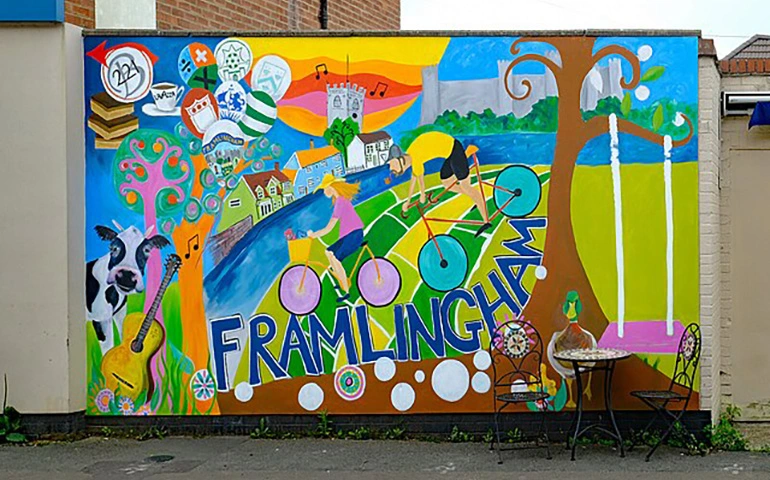
Framlingham is often introduced through its castle, and that is fair enough. The town and the fortress are inseparable. But reducing it to a single landmark misses the point. Framlingham works as a whole. It is a compact market town with deep rural roots, steady independent trade, and a calendar that still reflects local life rather than tourism alone.
The streets are short and practical. Shops, cafés and pubs sit in old brick and timber buildings that have changed purpose over time without losing their shape. On market days the centre has a steady flow of people from surrounding villages. It feels like a service town first and a destination second, which is why it remains grounded.
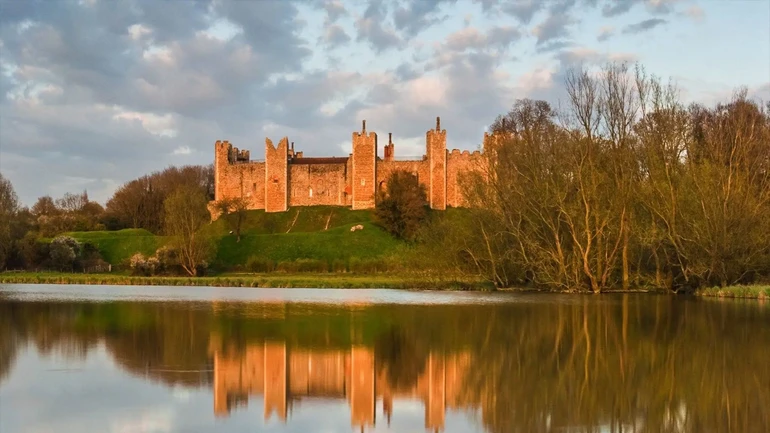
No visit avoids Framlingham Castle. Its curtain wall dominates the skyline, a 12th century stronghold built by the Bigod family and later tied closely to the Tudor period. In 1553 Mary Tudor was proclaimed Queen of England here before riding to London to claim the throne. That single episode alone gives the site national significance.
The castle that stands today is largely a shell wall structure. There is no towering central keep, which often surprises first time visitors. Instead, the power sits in the massive curtain wall with its series of towers. Walking the wall walk gives wide views over the surrounding countryside and the Mere below. The scale is impressive without being ornate.
The castle grounds later became home to a poorhouse and then a school. Layers of use are visible if you pay attention. It is not a frozen monument. It has adapted, which mirrors the town itself.
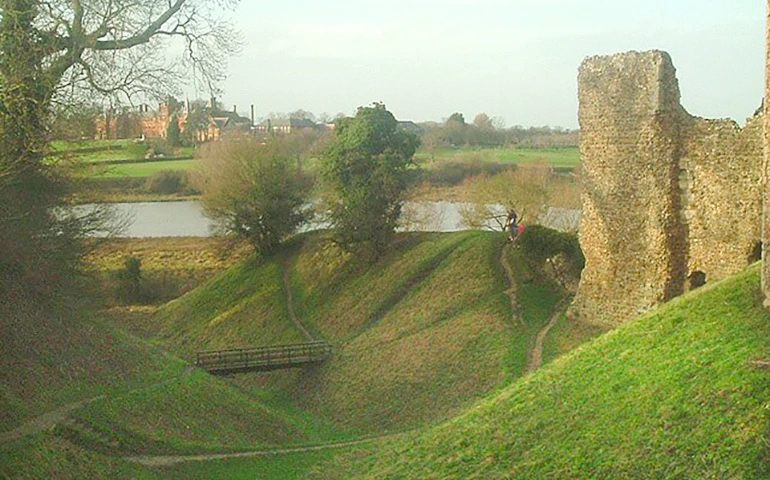
Beneath the castle walls lies the Mere, a large body of water edged by grass and trees. It was originally created as part of the castle’s defences, forming a natural barrier. Today it is public open space. People walk dogs, children feed ducks, and in warmer months it becomes a place to sit rather than rush.
The relationship between the castle and the Mere shapes Framlingham visually. One provides height and structure. The other offers space and reflection. It is practical as well as attractive. Flood management and grazing have both played roles in its upkeep over time.
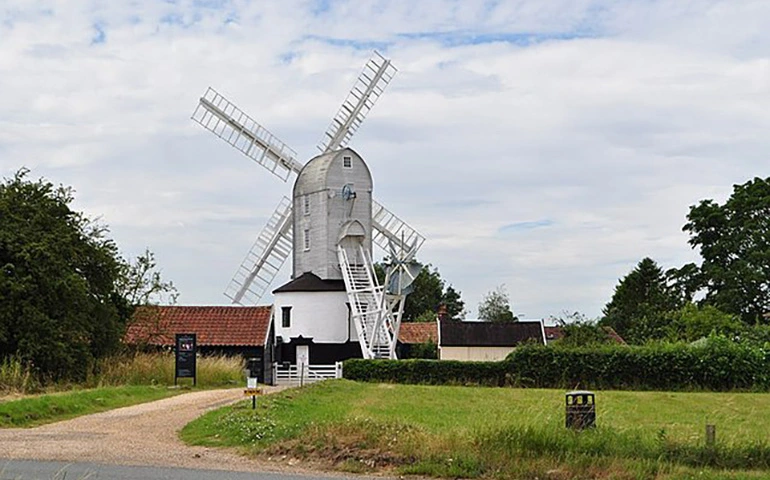
Just outside town, the surrounding countryside continues that pattern of open Suffolk farmland. A short drive away stands Saxtead Green Post Mill, one of the county’s best known surviving post windmills. It is still operational, which makes it more than a photo stop. The mill reminds visitors that Framlingham’s prosperity was once agricultural before it was heritage driven.
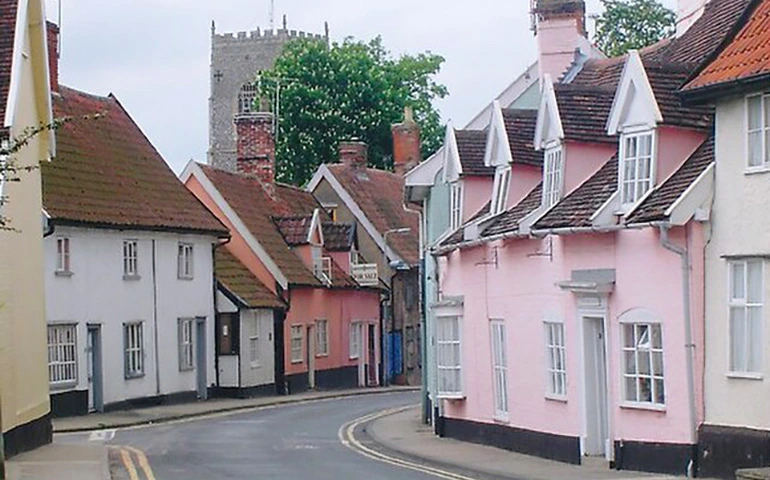
Framlingham has long acted as a hub for nearby villages. Its market charter dates back to medieval times. Livestock trading, grain and agricultural supplies shaped its economy for centuries. That link has not vanished. Farming remains central to the surrounding area, and many of the town’s independent businesses reflect that rural customer base.
Shawsgate Vineyard sits a short distance from the centre and reflects a quieter shift in Suffolk agriculture. English wine production has grown steadily in recent decades, and this local vineyard is part of that movement. It offers tours and tastings, bringing a different type of visitor into the area while staying rooted in the land.
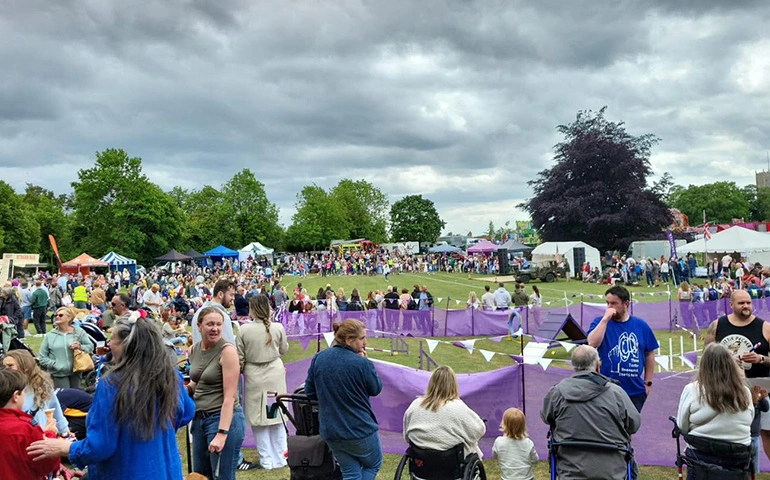
Each summer the Framlingham Gala brings the community together. It is not a corporate festival. It is a traditional town event with stalls, games, performances and local groups taking part. The Gala shows why Framlingham matters locally. It still functions as a meeting point for surrounding villages, not only as a heritage stop for outsiders.
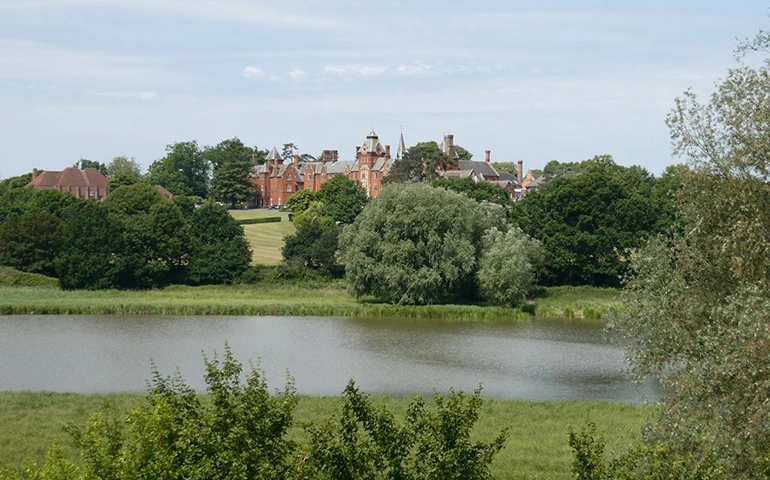
Framlingham College, founded in the 19th century, adds another layer to the town’s identity. The school buildings and playing fields sit slightly apart yet remain closely connected to daily life. Alumni include figures from sport, music and public life, which quietly extends the town’s influence beyond Suffolk.
Music fans often associate Framlingham with Ed Sheeran, who referenced the castle in his song Castle on the Hill. While that has brought modern attention, the town’s story runs far deeper than a lyric. The connection has introduced a younger generation to its history.
Another small detail often missed is how compact everything is. The church of St Michael the Archangel stands close to the castle. It contains significant memorials, including that of the Howard family. The proximity of church, castle and market centre shows how tightly organised medieval towns were.
Framlingham is accessible by road from Ipswich and the A12 corridor, though it does not sit directly on a major trunk route. There is no mainline railway station in the town itself. Wickham Market station, several miles away, serves as the nearest rail link. Parking is available near the centre and by the castle.
The town can be explored comfortably on foot in a few hours. The castle and Mere are the obvious starting points, followed by the church and a circuit of the market square. Cafés and pubs provide straightforward options for food, and there are independent shops selling local produce and gifts.
Framlingham suits visitors who prefer substance over spectacle. It offers real history, visible rural links and an active local calendar. It is not designed around high volume tourism. That restraint is part of its strength. The castle may draw people in, but the town itself is what makes them stay longer than planned.

© 2026 Rum Owd Dew Made by WebDAC