
Sudbury is a working Suffolk market town with a long record of trade, craftsmanship and local pride. It stands close to the Essex border and has strong links with the River Stour, which shaped both its economy and its landscape. Today it blends independent shops, historic streets and open riverside space in a way that feels practical rather than polished. It is a place people use, not simply visit.
Sudbury was one of the most important towns in medieval Suffolk. Its prosperity came from the wool and cloth trade, and by the 14th century it was a significant centre of weaving. The scale of its success is still visible in the size of St Peter’s Church, now used as a community venue and known locally as Sudbury Arts Centre. Wealth from cloth funded substantial buildings and established Sudbury as more than a minor rural settlement.
The town later became known for silk weaving. Huguenot refugees brought skills and techniques in the 18th century, and silk production remained important into the modern era. This manufacturing history often goes unmentioned compared with other Suffolk towns, yet it explains much of Sudbury’s historic character and layout. Narrow streets and yards once housed workshops and looms, tying the town closely to skilled manual trades.
Market tradition continues. Sudbury still hosts regular markets in the town centre, maintaining a routine that stretches back centuries. It reinforces Sudbury’s local importance. This is not a commuter outpost or seasonal resort. It functions as a service town for surrounding villages and farms, with shops, schools and transport links that keep daily life moving.
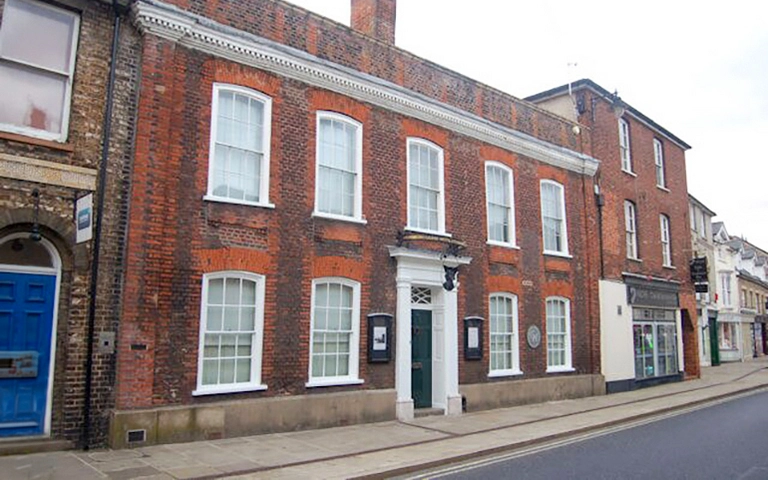
Sudbury’s most famous son is Thomas Gainsborough, born in the town in 1727. Gainsborough’s House, located on Gainsborough Street, preserves the artist’s birthplace and displays work connected to his life and career. It has been expanded and redeveloped in recent years to create a modern gallery space alongside the historic building. The presence of Gainsborough’s House gives Sudbury a national cultural link that few towns of similar size can claim.
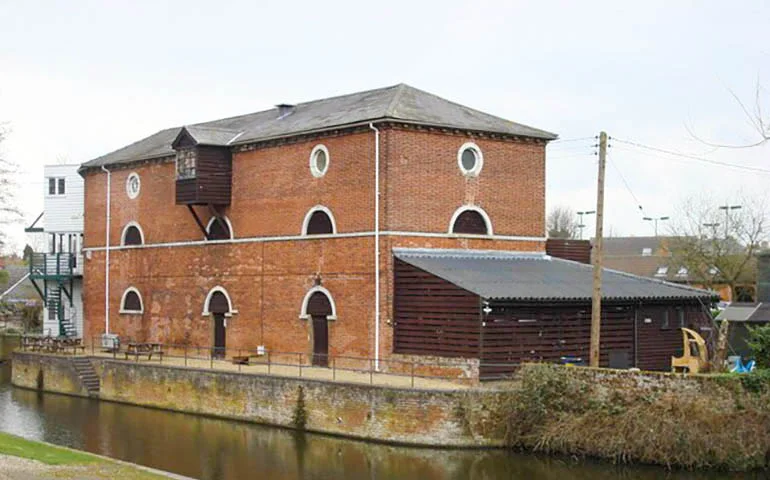
Art remains visible in other ways. The Quay Theatre, based in a converted riverside building, provides drama, music and community performances. It is modest in scale but active, supporting both touring productions and local groups. Together with Gainsborough’s House, it shows that Sudbury’s cultural life is not an afterthought. It has a clear place in the town’s identity.
Lesser known facts add depth. Sudbury is one of the few Suffolk towns that sits directly on the River Stour rather than the coast or an estuary. It was also the birthplace of Simon of Sudbury, who became Archbishop of Canterbury in the 14th century. These details are often overshadowed by the Gainsborough connection, yet they underline the town’s wider historical reach.
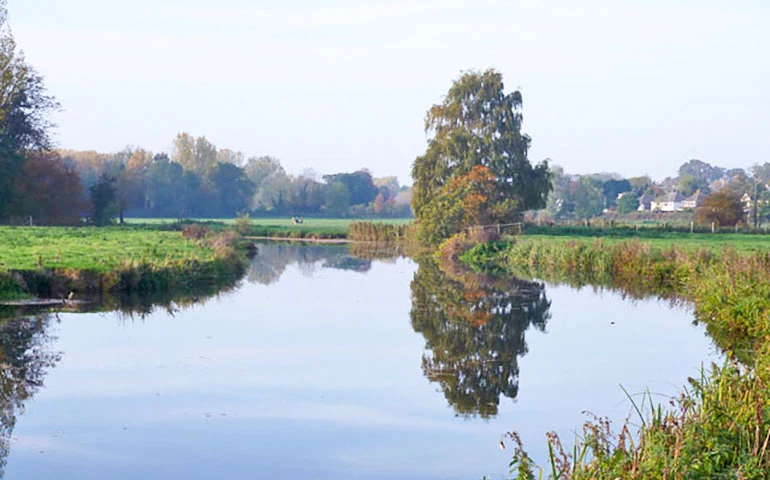
The River Stour defines the southern edge of the town. The Water Meadows provide open grassland, trees and wide views that contrast with the tighter historic streets. Scenic walking paths follow the river, making it easy to step out of the centre and into quieter surroundings within minutes. These riverside routes are well used by residents for everyday walks rather than occasional outings.
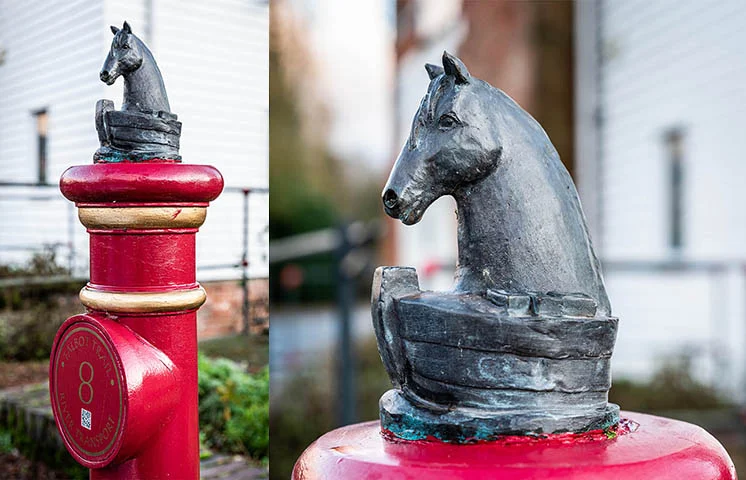
Sudbury also marks the start of the Talbot Trail, a walking route that follows sections of the old Stour Valley railway line. It links Sudbury with Long Melford and beyond, offering a straightforward path suitable for walkers and cyclists. The mix of riverbank, meadow and former railway gives practical access to countryside without needing to drive elsewhere.
Sudbury is accessible by road from the A131 and A134, and by rail via the branch line connecting to Marks Tey, where services continue towards Colchester and London. Parking is available in town centre car parks within short walking distance of shops and attractions. The layout is compact. Most places of interest can be reached on foot.
Independent retailers, cafés and pubs form the backbone of the centre. Gainsborough’s House and the Quay Theatre are both within easy reach of the main shopping streets. The Water Meadows sit just beyond, offering space to extend a visit with a riverside walk. Market days add activity and are worth checking in advance.
Sudbury does not rely on spectacle. Its appeal lies in continuity. Trade, art, river access and community events have all shaped the town over time. For anyone exploring Suffolk beyond the coast, Sudbury provides a grounded example of how a historic market town continues to function while keeping clear links to its past.

© 2026 Rum Owd Dew Made by WebDAC