
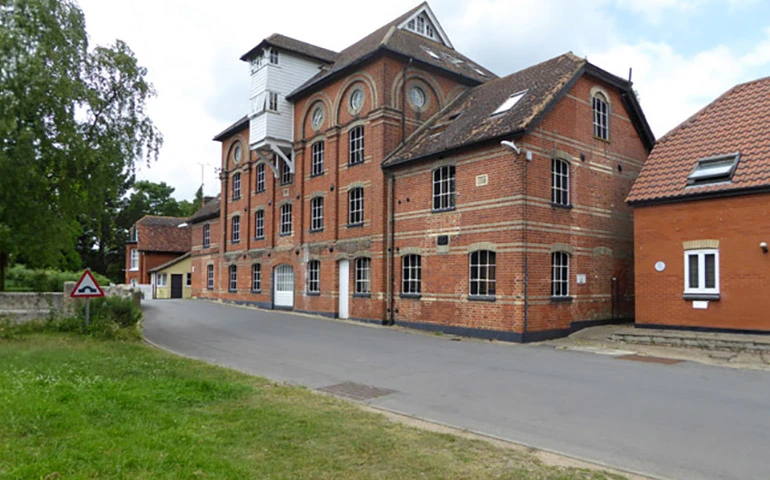
Needham Market sits between Ipswich and Stowmarket along the River Gipping, connected as much by water and railway as by road. It is a small town with a clear layout, a long High Street, and a strong sense of identity shaped by industry rather than tourism. While it does not compete with Suffolk’s coastal names for attention, it plays an important role in the county’s story and remains a practical, lived-in place with depth behind its modest size.
The history of Needham Market centres on trade, transport and brickmaking. Its position on the River Gipping allowed goods to move between Stowmarket and Ipswich, particularly after the river was made navigable in the 18th century. Barges carried agricultural produce and raw materials, linking the town into a wider commercial network long before the railway arrived.
Brickmaking became one of the defining local industries. The distinctive pink and red bricks produced here were used across Suffolk and beyond, and many buildings in the town reflect that heritage. Walking along the High Street, the brick tones give the place a consistent character that is directly tied to its industrial past.
In 1652, a major fire swept through Needham Market and destroyed much of the town. The rebuilding that followed shaped the appearance of the High Street today. Timber-framed buildings gave way to brick structures, which proved more resilient. That episode is still a reference point in local history and explains why so much of the town has a cohesive post-fire architectural style.
The plague also reached Needham Market during the 17th century, as it did much of Suffolk. Parish records from the period show a sharp rise in burials, reminding visitors that even small towns were deeply affected by national crises. These events are not heavily marketed, yet they form part of the town’s long memory.
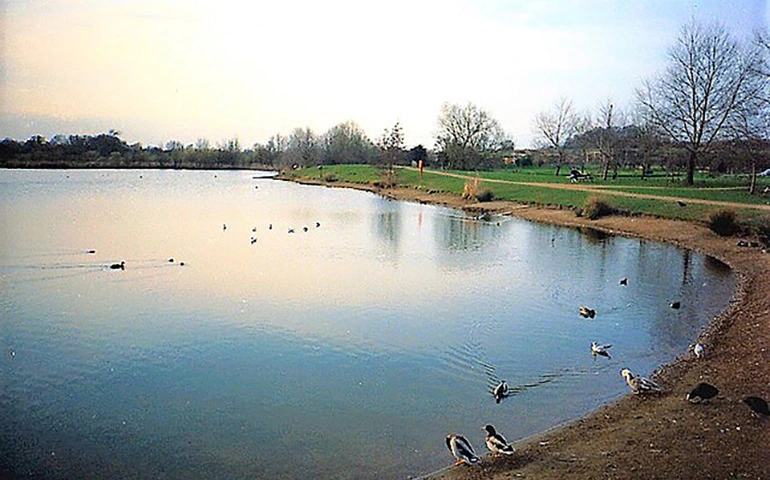
The River Gipping remains central to Needham Market’s identity. Although commercial barge traffic has long since ceased, the river corridor is now valued for recreation and wildlife. The Gipping Valley footpath follows the water, linking the town to surrounding countryside and offering an easy way to understand the geography that made the settlement viable in the first place.
Needham Lake & Nature Reserve is one of the town’s most used spaces. Created from former gravel workings, it has been reshaped into a well-maintained area with circular walks, open grass, woodland sections and a café. It functions both as a local amenity and as a draw for visitors from nearby towns. Families use it for short outings, dog walkers treat it as routine ground, and community events are often centred there.
The lake also supports a range of birdlife and seasonal wildlife, which has helped establish it as more than a recreational park. For a town of this size, having a managed nature reserve within walking distance of the High Street is significant and speaks to a practical approach to land reuse.
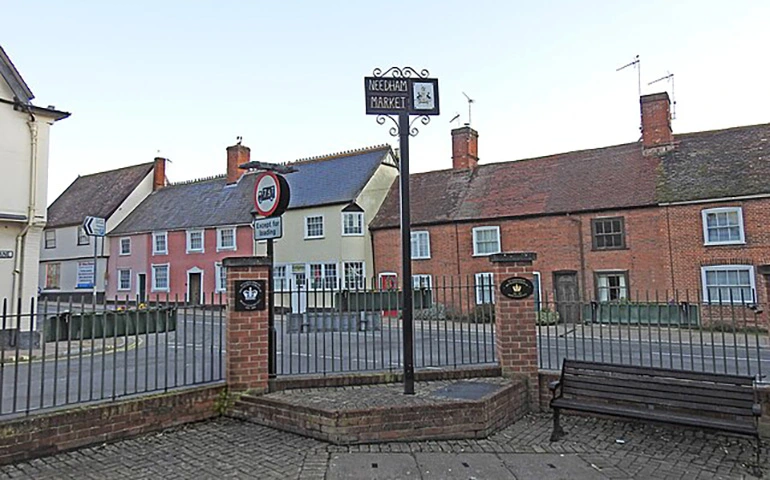
Needham Market is significant locally because it bridges rural Suffolk and the larger urban pull of Ipswich. It has its own railway station on the Great Eastern Main Line, giving direct access to London and Norwich. That connectivity has shaped the town’s development over the last century, allowing it to grow without losing its small-town scale.
It also sits within the Gipping Valley landscape, an area that is less visited than the Suffolk coast but equally characteristic of the county. Fields, low hills and watercourses define the setting. The town acts as a service centre for surrounding villages, providing shops, schools and everyday facilities that sustain the wider area.
A lesser known fact is that despite its name, Needham Market has not operated a traditional market in the way larger Suffolk towns have. The name reflects medieval origins rather than a continuous modern market tradition. It is an example of how place names can outlast the original activity they describe.
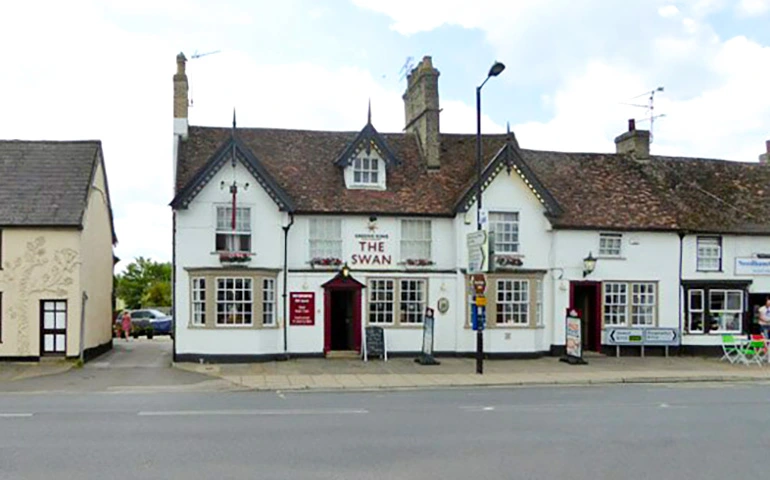
Visitors will find a straightforward layout. The High Street runs the length of the town and contains independent shops, pubs and essential services. Parking is available near the centre, and Needham Lake & Nature Reserve is within easy walking distance. The River Gipping path offers longer routes for those wanting more than a short circuit of the lake.
There are no major tourist attractions in the conventional sense. That is part of the appeal. Needham Market works best as a place to spend a few unhurried hours rather than a full weekend. It suits walkers, families looking for open space, and those interested in seeing a Suffolk town that developed around transport and industry rather than seaside leisure or grand estates.
For anyone exploring inland Suffolk, Needham Market provides context. It shows how rivers once drove trade, how fire and plague left physical marks on settlement patterns, and how former industrial land can be repurposed for community use. It may not dominate county brochures, yet it represents a solid and authentic part of Suffolk’s fabric.

© 2026 Rum Owd Dew Made by WebDAC