Mellis is not a village that shouts for attention, yet it has shaped its corner of north Suffolk in steady and practical ways. Sitting close to the Norfolk border, it developed around farming, transport and a stretch of lowland heath that remains one of the county’s most important open spaces. To understand Mellis properly you need to look at three things: the Common, the old mill, and the railway that once made it a junction of some consequence.
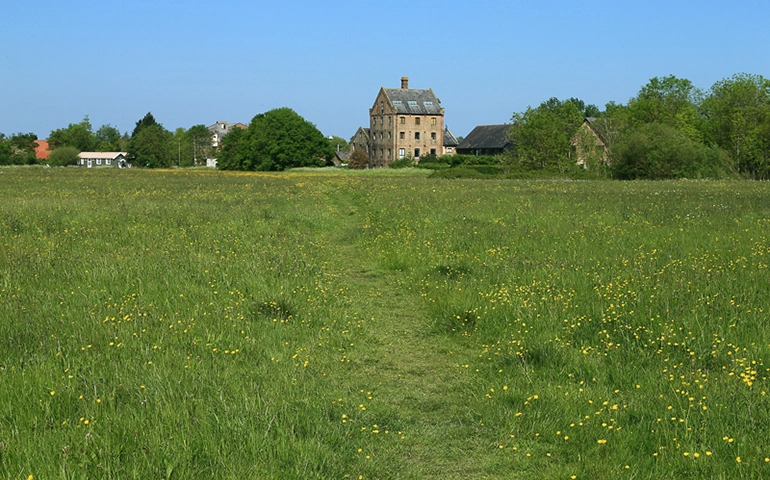
Mellis Common defines the village more than any single street or building. Covering well over 100 hectares, it is one of the largest surviving areas of lowland heathland in Suffolk. It is not a park in the landscaped sense. It is a grazing common, still used for livestock, and its survival owes much to that traditional management.
Today the Common is managed as a nature reserve by the Suffolk Wildlife Trust. It is also protected as a Site of Special Scientific Interest, recognising its rare heathland plants and wildlife. The mix of dry heath, wet heath and scrub supports species that have disappeared elsewhere in the county. In late summer the heather comes into colour, and the open sky and sandy soils give the area a character that feels distinct from the surrounding arable fields.
Its protection matters locally because large areas of heath across Suffolk were ploughed or built over in the twentieth century. Mellis Common survived largely due to common rights and local awareness. It remains accessible to walkers, dog owners and families, yet it is also managed carefully to balance public use with conservation. Grazing cattle are part of that management, keeping scrub in check and maintaining the right conditions for heathland plants.
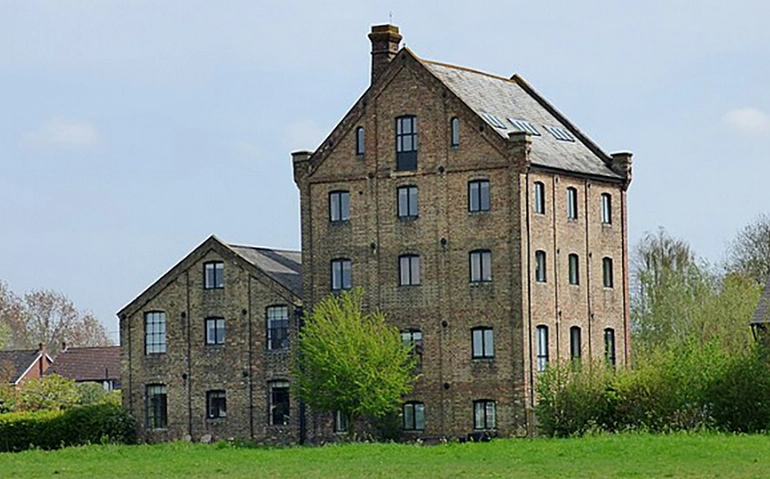
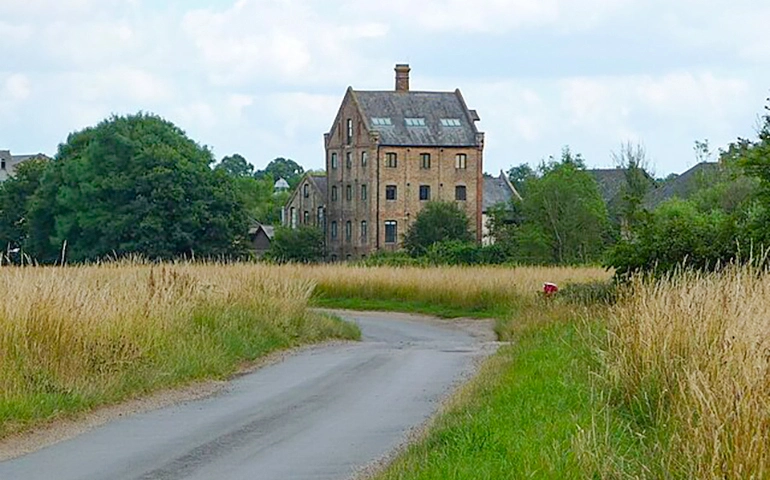
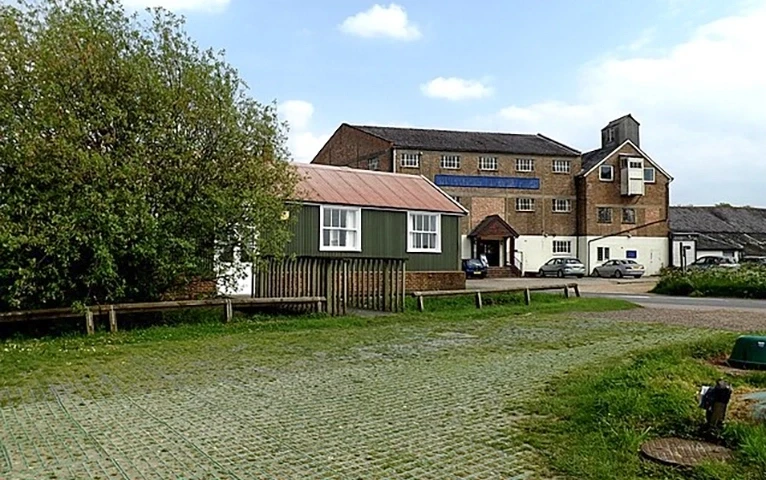
On the edge of the Common stands Mellis Mill, a tall brick tower mill that has long been a landmark. The mill dates from the nineteenth century and was once known locally through the Robsons connection. Like many Suffolk mills it served surrounding farms, grinding grain and anchoring the rural economy. Over time, as milling declined, the building found new uses rather than falling into ruin.
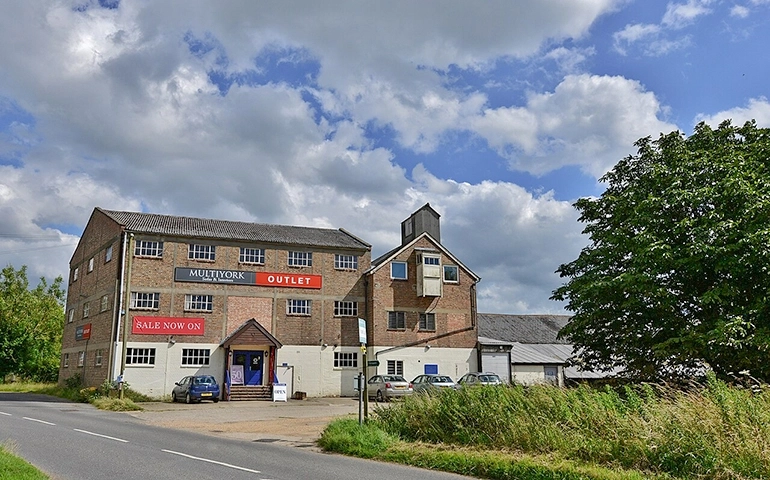
In the later twentieth century the site became associated with Multiyork, the furniture manufacturer. The old mill and its surrounding buildings formed part of the company’s manufacturing operations for many years. For me personally, working at Multiyork in the old mill was my first "proper job" in the 80's. The shift from milling grain to producing furniture, shows how rural sites often adapt rather than disappear.
The presence of Multiyork at Mellis connected the village to a wider commercial network. Lorries replaced carts, and quality furniture left the village for showrooms across the country. It is a reminder that Mellis has not been frozen in time. Industry, even on a modest scale, has been part of its story.
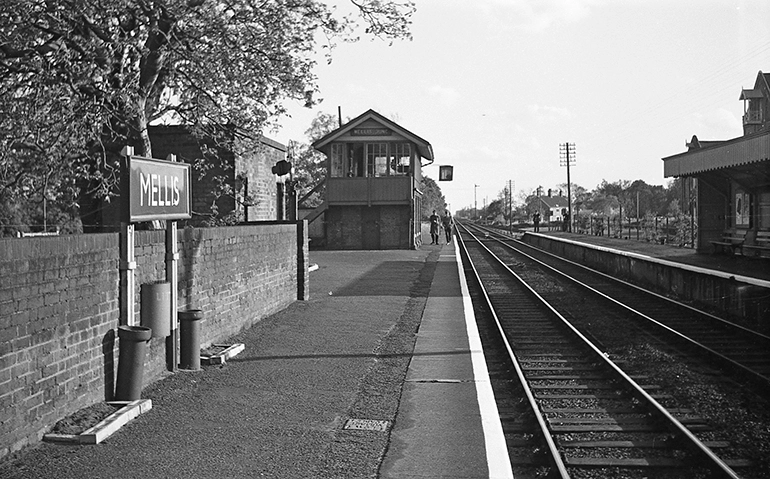
In the nineteenth century Mellis became a junction where lines met, linking routes between Ipswich, Norwich and further into Norfolk. For a period the railway placed Mellis firmly on the transport map of East Anglia.
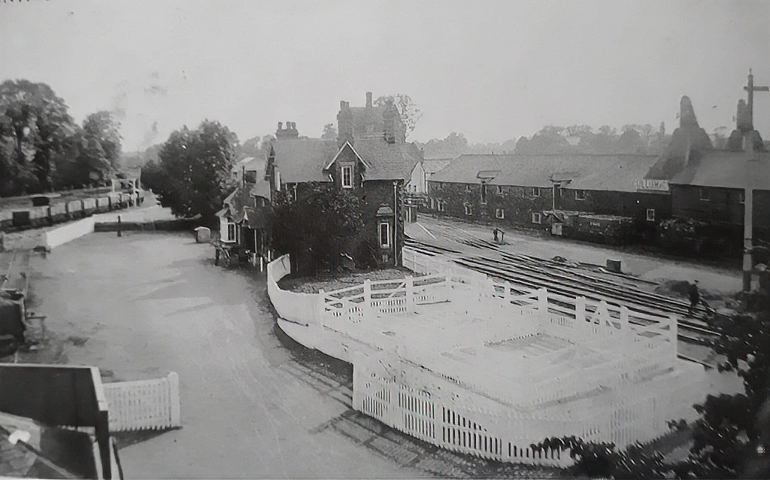
The station yard would have been a busy place, handling goods as well as passengers. Agricultural produce, coal and general freight moved through the junction, supporting both local farms and nearby settlements. The railway altered patterns of work and travel, allowing faster movement of people and goods than had previously been possible.
Although the junction role declined and the station eventually closed, traces of its past remain in the layout of the area and in local memory. The railway era explains why Mellis once held more strategic weight than its size suggests. It also ties the village into the broader story of Victorian expansion and later rationalisation of rural rail lines.
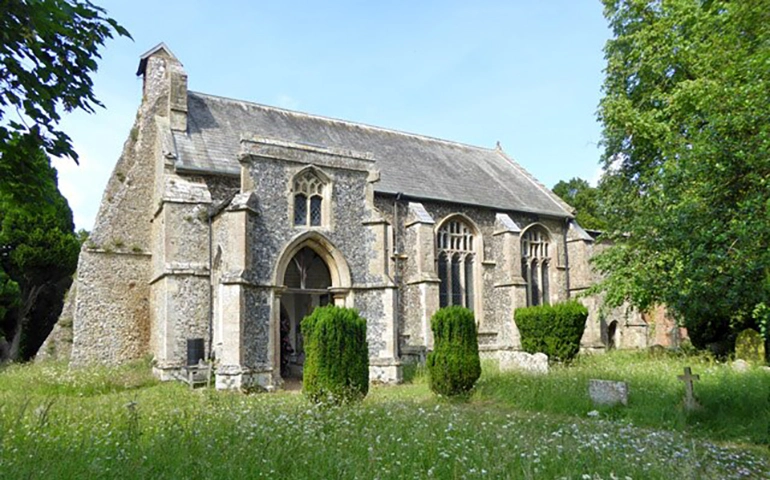
At the centre of Mellis stands St Mary’s Church, reflecting the long continuity of settlement here. Records of Mellis stretch back to medieval times, and like many Suffolk villages it appears in the Domesday Book. Farming has always been the backbone, with open fields and commons shaping daily life for centuries.
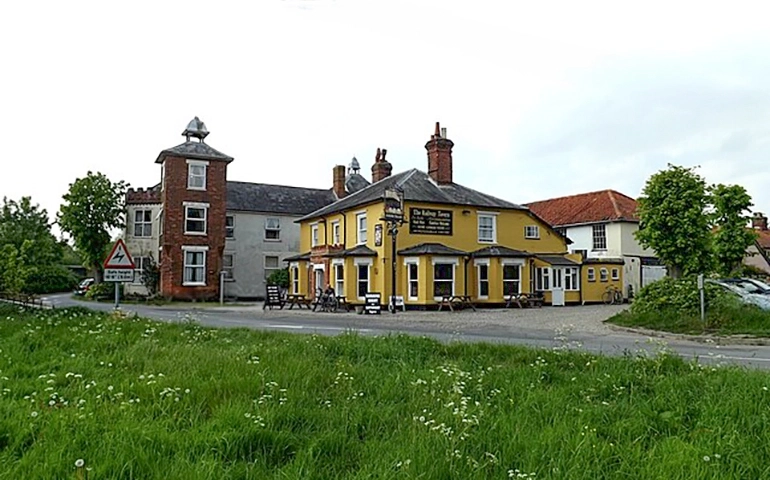
The Railway Tavern, close to the former station area, keeps alive a clear reference to that transport heritage. It serves as a social point in the village, offering food and drink in a setting that links past and present by name alone. In small communities such places carry more weight than their size might suggest.
Lesser known facts about Mellis often circle back to the Common. Few villages in Suffolk can claim such a large, intact heathland at their heart. Its continued use as grazing land is not simply tradition but part of a formal conservation approach. The fact that it remains publicly accessible while protected makes it unusual and significant.
Mellis may not offer a high street of independent shops or a packed calendar of events, yet its importance lies in preservation and adaptation. The Common shows how landscape can be protected through active management. The old mill demonstrates reuse rather than decay. The railway story reveals a period when Mellis was more connected than its present calm suggests. Together these elements give the village a substance that goes beyond first impressions.

© 2026 Rum Owd Dew Made by WebDAC