
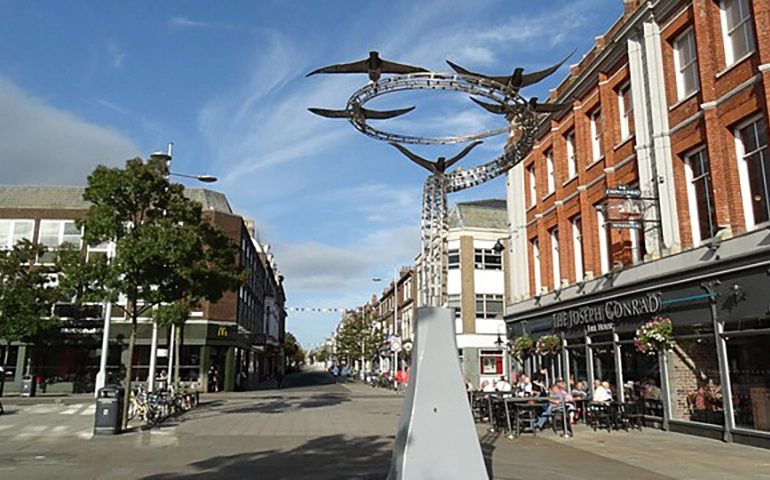
Lowestoft holds a clear geographical distinction. It is the most easterly town in the United Kingdom. At Ness Point, marked by a simple compass design set into the ground, you are standing at the country’s furthest edge towards continental Europe. It is not a dramatic monument, but it is precise, and that accuracy reflects the town itself.
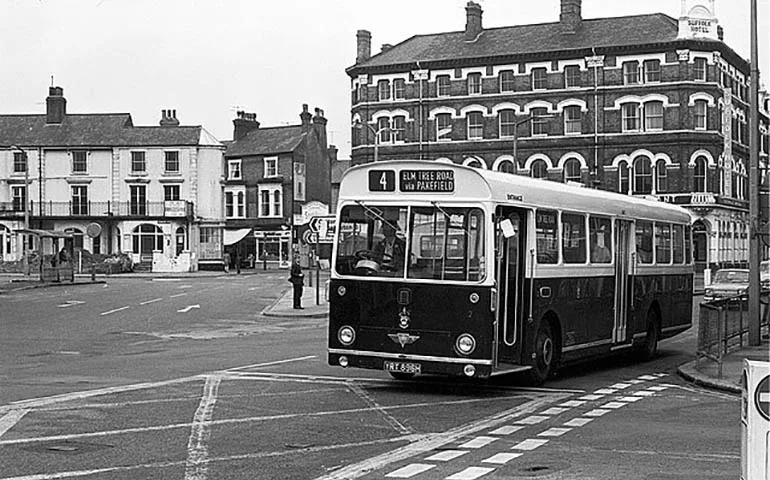
For centuries Lowestoft’s fortunes were tied to fishing. By the nineteenth century it had become one of Britain’s leading herring ports. The arrival of the railway in the 1840s accelerated growth, bringing visitors as well as freight. Hotels, promenades and entertainment venues followed, establishing Lowestoft as both a commercial harbour and a recognised seaside resort.
The later decline of large scale fishing reshaped the town. As fleets reduced and industries contracted, Lowestoft had to adjust. Today the port supports offshore energy projects in the North Sea, particularly wind farms. Marine engineering and servicing have replaced much of the old fishing economy. The harbour remains central, divided by the Bascule Bridge which lifts to allow vessels through, a practical reminder that maritime activity continues.
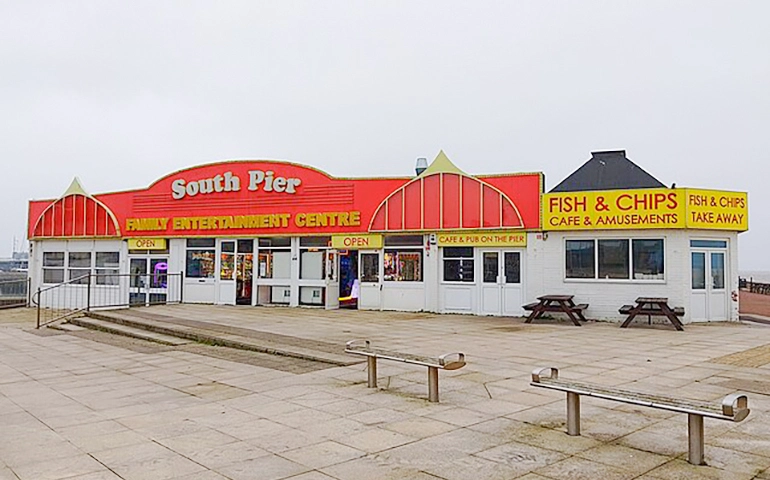
Lowestoft’s two main beaches stretch either side of the harbour. South Beach is broad and sandy, backed by a promenade and family facilities. North Beach is often quieter, used by walkers and locals outside peak season. The scale of the shoreline is one of the town’s strengths. There is space here, even in summer.
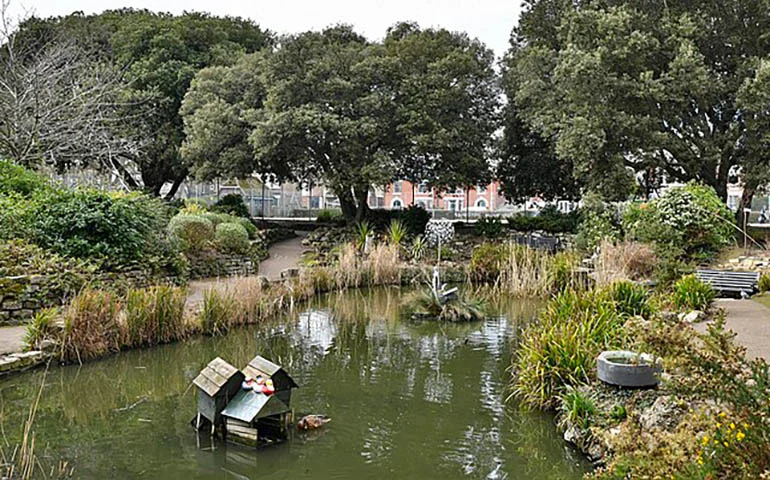
Kensington Gardens links the town centre to the seafront. Originally laid out in the Victorian period, it remains a functional green space with lawns, planting and seasonal events. It is used daily rather than preserved for show, which gives it relevance beyond tourism.
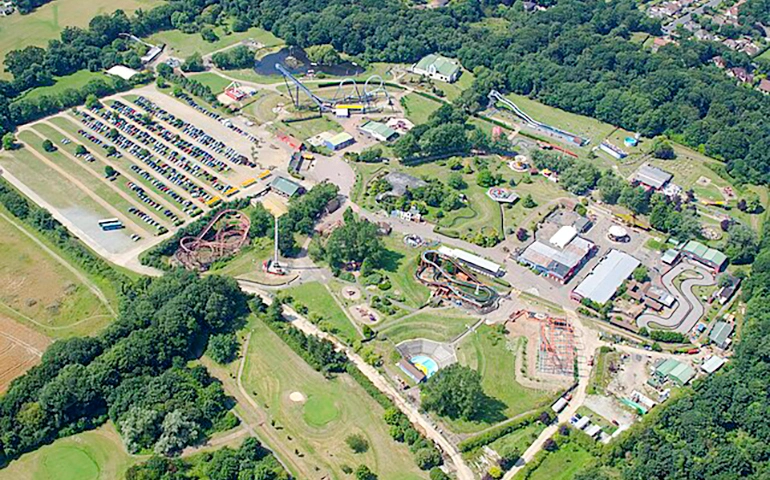
On the northern edge of town sits Pleasurewood Hills theme park. Since opening in the 1980s it has been one of East Anglia’s main ride based attractions, drawing visitors from across the region. Its presence reinforces Lowestoft’s role as a destination for families rather than only day trippers.
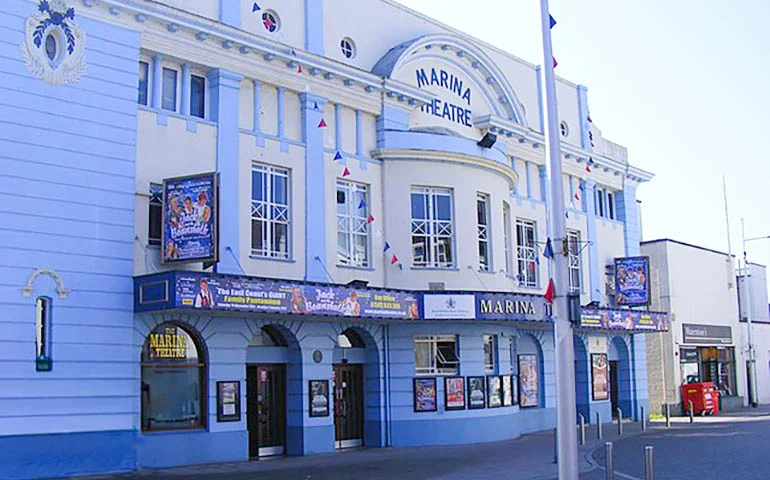
The Marina Theatre provides a year round programme of live entertainment. Touring drama, comedy, music and community productions share the stage, and the Royal Philharmonic Orchestra performs here when in the area. For a coastal town, that level of cultural access matters. It reduces the need to travel elsewhere for major performances.
The East Anglia Transport Museum adds another layer. It operates historic trams, trolleybuses and narrow gauge railways on its own site. Visitors can ride them, not only view them. It preserves everyday transport history in a hands on way that few museums now offer.
Lowestoft was also the birthplace of composer Benjamin Britten in 1913 before his family moved to Aldeburgh. His connection forms part of the town’s cultural background, even if his later life is associated elsewhere on the Suffolk coast.
Access is straightforward via the A12 and A146, with rail services linking to Norwich and onward connections. Seafront parking, town centre facilities and a range of accommodation options make short stays simple to organise. Like many larger coastal towns, Lowestoft has experienced retail change in recent decades, though essential services and independent businesses remain.
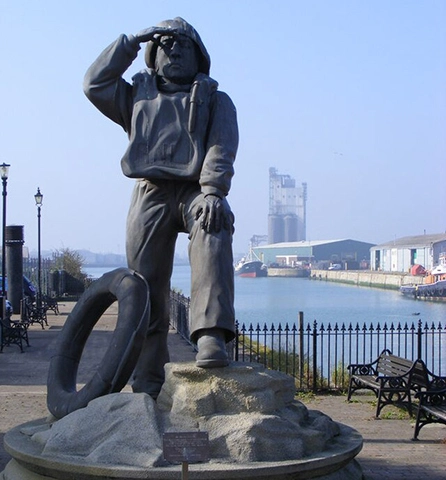
Locally, the town is significant because of its scale and function. It is one of Suffolk’s largest coastal settlements and provides employment, services and infrastructure beyond tourism. It combines beach access, port activity, cultural venues and family attractions within a single place. That mix sets it apart from smaller resorts further south.
Lowestoft does not rely on a single feature. Its claim as the UK’s most easterly town is factual and measurable. Around that fixed point sits a harbour still in use, extensive beaches, established green spaces and attractions that continue to draw visitors. For anyone exploring Suffolk, it offers both context and contrast, showing a broader picture of coastal life than the postcard version alone.

© 2026 Rum Owd Dew Made by WebDAC