
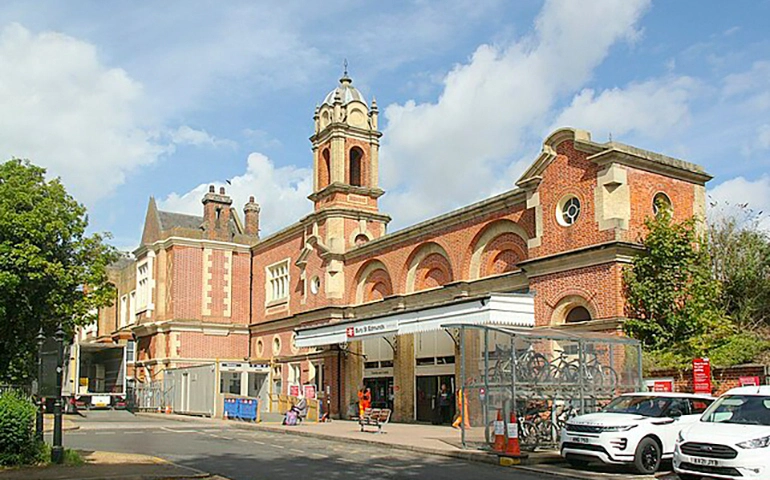
Bury St Edmunds is one of Suffolk’s most complete market towns. It functions as a shopping centre, a cultural hub and a place where major strands of English history are easy to see in one afternoon. The streets are broad and well kept, the market still trades in the centre, and much of what draws visitors here is within walking distance.
The town takes its name from Edmund, the Anglo Saxon king of East Anglia who was killed by Viking forces in 869. His shrine became one of the most important pilgrimage sites in medieval England. Around it grew a powerful Benedictine abbey that shaped the town’s layout and prosperity for centuries. Although the abbey was largely destroyed during the Dissolution of the Monasteries under Henry VIII, its footprint still defines the centre of Bury today.
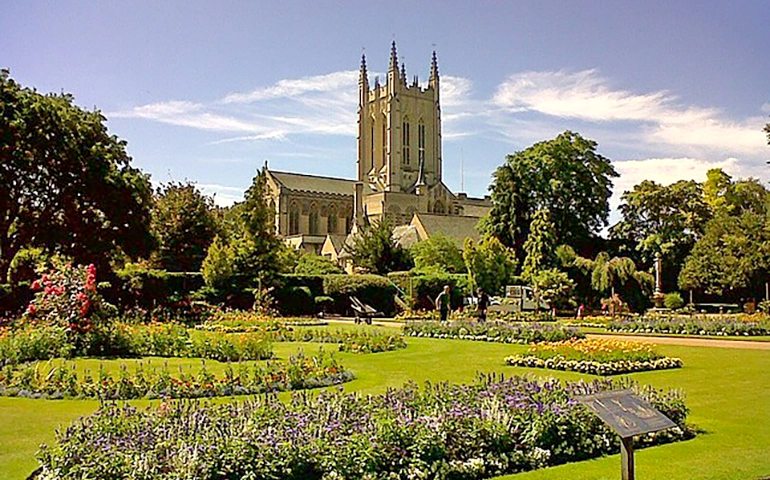
The Abbey Gardens and Ruins form the physical and historic heart of Bury St Edmunds. Visitors can walk among the remains of what was once one of the richest monasteries in the country. Fragments of walls, archways and foundations give a clear sense of scale without feeling staged. The site is maintained as a public park, so it is both a green space for locals and a nationally significant historic monument.
The abbey precinct also played a part in wider national events. In 1214, barons are said to have met here and sworn an oath that led towards the sealing of Magna Carta the following year. That connection is part of why Bury St Edmunds holds more than local interest. It links Suffolk directly to a defining moment in English constitutional history.
Next to the ruins stands St Edmundsbury Cathedral. Unlike many English cathedrals, it is relatively modern in status, becoming a cathedral in 1914. Its tower was completed in 2005 using traditional methods and stonework, a rare example of major cathedral construction in the twenty first century. Inside, the space is calm and practical rather than overwhelming. It functions as an active place of worship while also welcoming visitors throughout the week. Whilst Bury has a cathedral, it only becomes a city if it is officially granted city status by the monarch, and Bury has never been given that title.
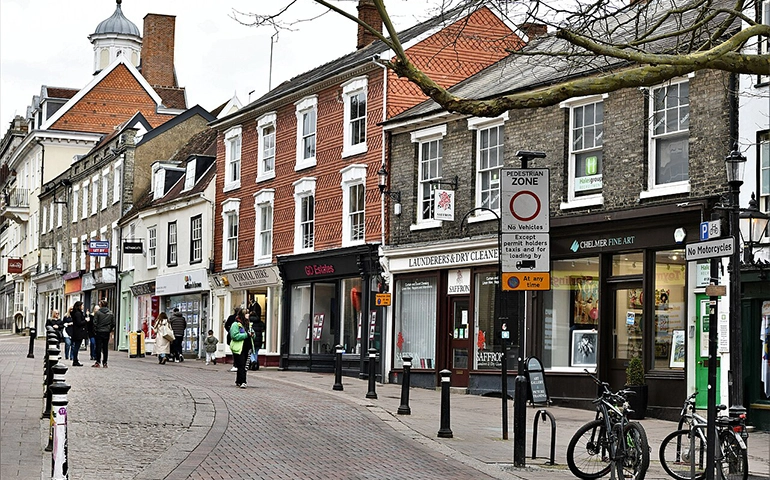
Bury St Edmunds has held markets for centuries and continues to do so twice weekly, with additional specialty markets through the year. The market square sits between historic buildings and modern shops, giving the town a steady flow of trade rather than a purely tourist feel. Independent retailers sit alongside national names, which helps it remain useful to residents across west Suffolk.
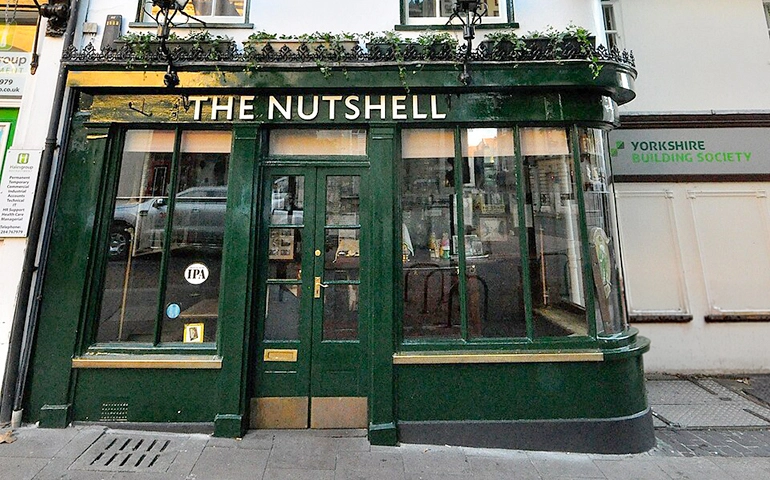
One of the town’s best known curiosities is The Nutshell, often described as Britain’s smallest pub. It is narrow, compact and easy to miss if you are not looking for it. Inside, there is room for only a handful of people at a time. It is not a gimmick bar built for photographs but a long established pub with its own regulars.
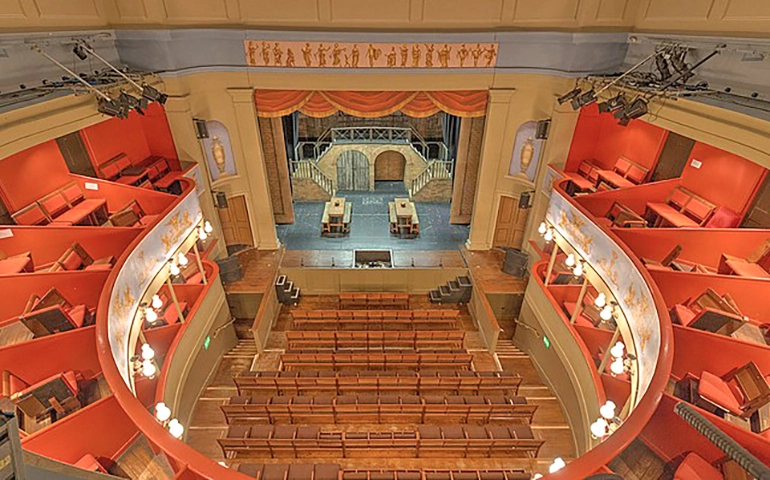
Theatre Royal is another feature that sets Bury apart from many market towns. Built in 1819, it is the only surviving Regency playhouse in the country. The building has been restored and continues to stage performances. The scale is intimate, and the focus is on live theatre rather than large touring productions. Its continued use reflects a town that values culture as part of everyday life.
Beyond heritage, Bury St Edmunds plays a practical role in the region’s economy. It serves as an administrative centre for west Suffolk and supports surrounding villages with retail, healthcare and education. The Greene King brewery has long been associated with the town, and its presence has shaped local employment and identity.
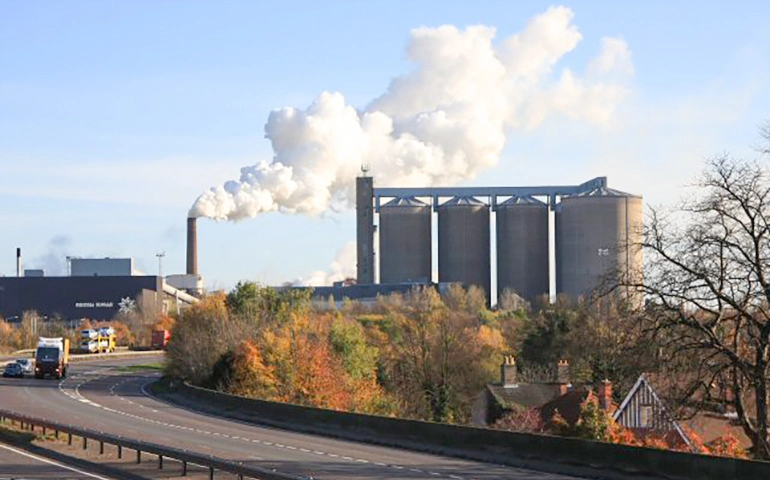
Sugar beet is another important part of the area’s story. The British Sugar factory on the edge of town processes beet grown across East Anglia. During the campaign season, lorries arrive steadily from surrounding farmland. It is a reminder that this historic town is still closely linked to agriculture and food production.
Lesser known details add further texture. The Abbey Gardens include a children’s play area and aviary, making the site as functional as it is historic. Moyse’s Hall Museum, housed in a medieval building near the market, explores local history and includes displays that range from fine art to crime and punishment. The town also has strong links to the United States Air Force through nearby RAF Lakenheath and RAF Mildenhall, which influences the local community and economy.
Bury St Edmunds is accessible by road via the A14, which connects it to Ipswich, Cambridge and the Midlands. The railway station provides direct services to Cambridge and onward links to London. Most of the main attractions are within a short walk of the station and central car parks.
For visitors, a typical day might include a walk through the Abbey Gardens and Ruins, time inside St Edmundsbury Cathedral, lunch in the market area or a stop at The Nutshell, and an afternoon browsing independent shops. Evening options include a performance at Theatre Royal or dining in one of the town centre restaurants.
What makes Bury St Edmunds significant locally is not a single landmark but the concentration of them. It combines major medieval history, active religious life, functioning markets, a rare historic theatre and ongoing industry within a compact area. It works as a county town without losing the scale of a market community. For Suffolk, that balance is part of its strength.

© 2026 Rum Owd Dew Made by WebDAC